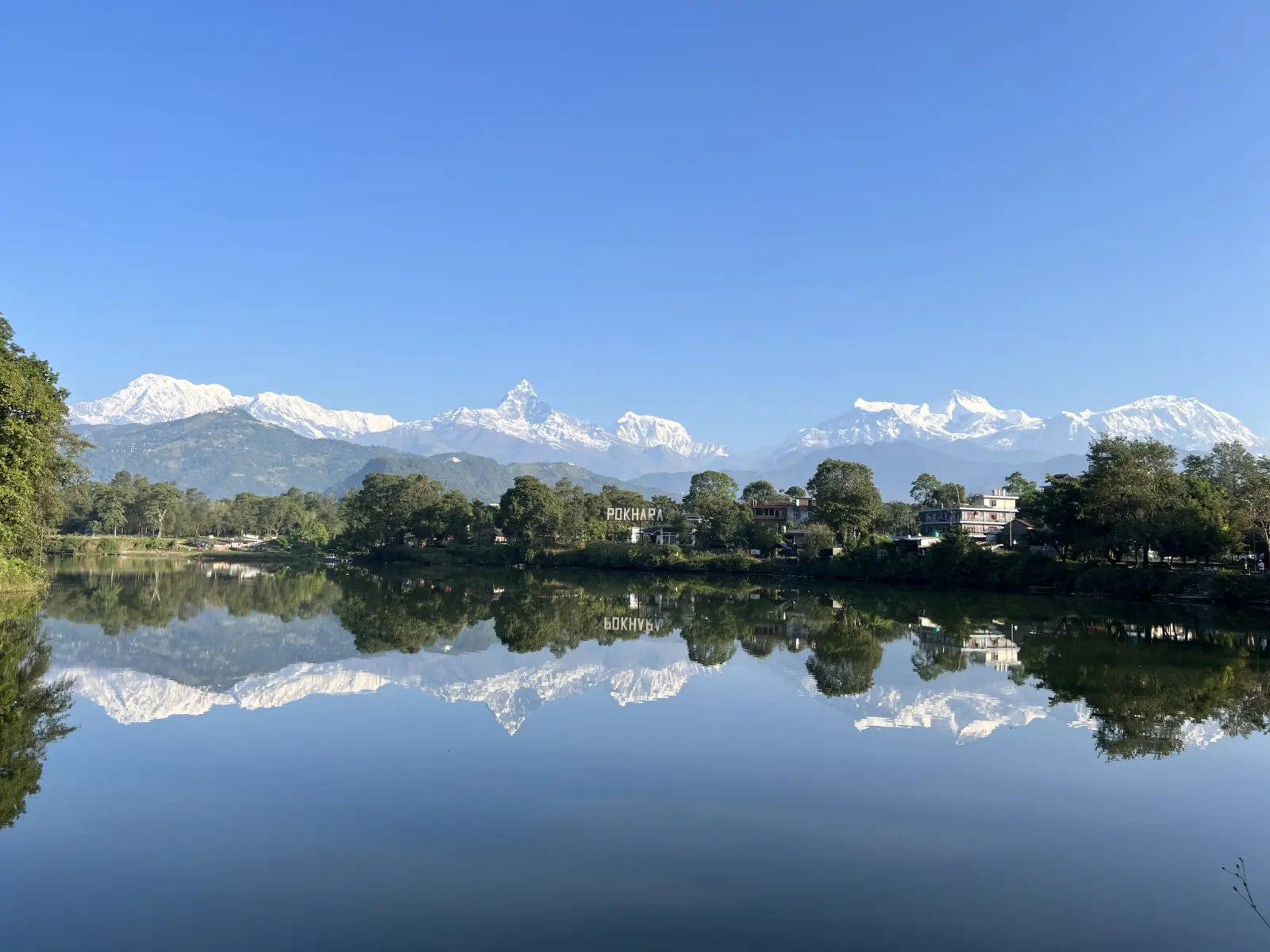
Here’s a question for you: What if your "office" was a little café right on the shore of a beautiful lake, with massive mountains—the Himalayas, no less—in your view? And you're not on vacation; you're actually working.
Sounds like a dream? Well, that's the life for so many people right now. They've found a way to work for their company back home while living and traveling all over the world. They're what we call digital nomads.
The last few years completely changed everything. We all learned that you don't have to be in the office, or even in the same city, to get your job done. Once that clicked for people, the next question was obvious: "If I can do my job from my living room, what's stopping me from doing it from another country?"
That’s how this movement exploded. It's not a niche thing anymore—it’s a real, growing way of life for writers, designers, developers, and more. And it’s shaking up everything from how cities are run to how companies hire.
The Rise of Digital Nomadism
Being a digital nomad isn’t brand-new. In the early 2000s, adventurous freelancers were already experimenting with it—often in places like Chiang Mai or Bali. But back then, poor internet and lack of remote-friendly jobs made it a real challenge.
Fast forward to the pandemic, and everything changed. Companies had to go remote—and it worked. Productivity stayed strong, sometimes even improved. That realization unlocked the door for millions of people. Today, over 40 million digital nomads exist worldwide, and the number keeps climbing.
Why People Love This Lifestyle
- Freedom: You decide where you live, how long you stay, and when you work. No HR forms, no vacation approvals.
- Lifestyle Upgrade: Earn in strong currencies while living in affordable countries. Your salary stretches further.
- Cultural Immersion: Instead of a short vacation, you live abroad—learning languages, festivals, and local life.
- Community: Coworking spaces, meetups, and expat groups help you find your tribe wherever you go.
- Work-Life Balance: Replace commutes with hiking, surfing, yoga, or food adventures after work.
Digital Nomad Visas: Countries Competing for Talent
It's not just individuals who have figured this out, governments have noticed this shift too. That’s why we’re seeing a surge of digital nomad visas around the world . These visas allow remote workers to legally live in a country for months or even years while working for foreign employers.
Take Estonia, for example. They were the first European country to roll out a digital nomad visa in 2020, positioning themselves as a tech-forward destination. Portugal quickly became another favorite, offering year-long stays and a warm climate to match. Croatia joined the list with its own program, as did Spain, Greece, and even Dubai.
The logic behind this is pretty simple actually. Digital nomads bring money into the local economy without taking local jobs. They rent apartments, eat at restaurants, join gyms, and sometimes even start small businesses. Cities like Lisbon and Bali have transformed into buzzing global work hubs because of this.
And the exciting part is more and more countries are now joining the race. Which brings us to Nepal.
Nepal in the Global Digital Nomad Conversation
When you hear "Nepal," you probably think Mount Everest or trekking adventures. But Nepal is now stepping into the digital nomad spotlight. Nepal’s High-Level Economic Reforms Committee recently recommended that the government introduce a digital nomad visa , signaling big opportunities.
Pokhara, famous for its lakeside vibe, already ranks #29 on Nomad List’s top destinations. With affordable living, stunning Himalayan scenery, welcoming culture, and improving infrastructure, Nepal is an underdog with huge potential.
Why Nepal Makes Sense
- Affordable living: Comfortable lifestyle at low cost.
- Scenery: Work with the Himalayas in the background, trek on weekends.
- Community: Growing coworking spaces and startup scene.
- Connectivity: Kathmandu and Pokhara have fiber internet, 4G, and reliable cafés.
Challenges to Keep in Mind
- Visa Restrictions: Tourist visas allow only 150 days per year—frequent renewals needed.
- Internet & Power: Reliable in cities, but spotty outside. Power outages happen; backups are essential.
- Healthcare: Basic in cities but limited in rural areas—insurance is key.
- Weather: Hot summers, heavy monsoons (June–August), and cold winters in the mountains.
Final Thoughts
Digital nomadism is more than a trend—it’s a permanent shift in how we live and work. With freedom, balance, and cultural immersion at its core, this lifestyle is reshaping the world.
Nepal might just be the next big destination. Affordable living, epic scenery, and a welcoming culture make it a strong contender. If you’re searching for your next digital nomad base, pack your laptop and trekking shoes—Nepal could change the way you see the world.
Filed under Digital Nomad, Remote Jobs, Nepal Lifestyle.